
Everything You Need to Know
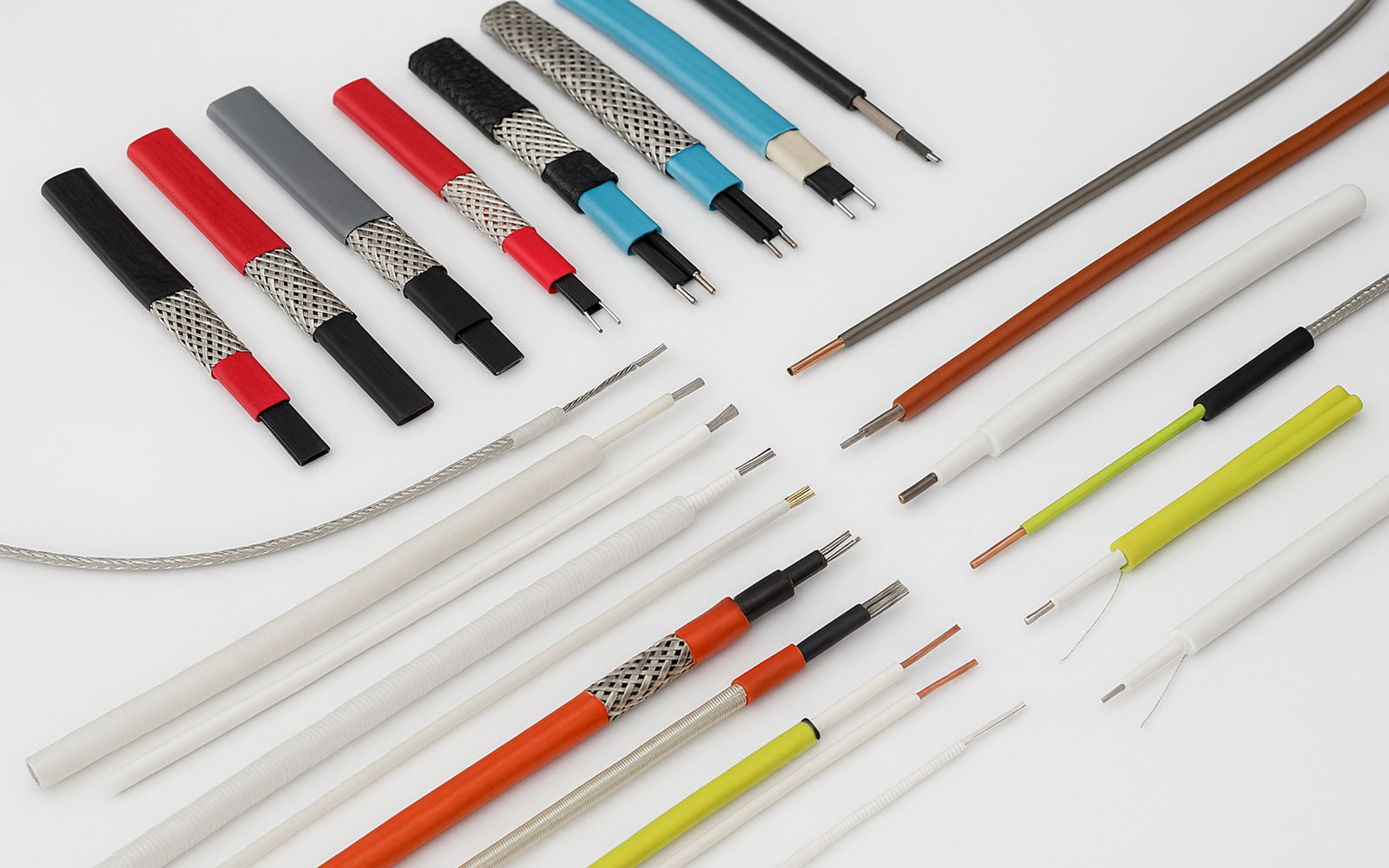
Heating cables are essential for maintaining process temperatures in industrial settings. Understanding heating cables can save you time, money, and headaches. In this guide, we'll break down what Self regulating heating cables are, how they work, and why the latest self-regulating technologies—like the FailSafe Ultimo FSU—are changing the game.
How Does a Self-Regulating Heating Cable Work?
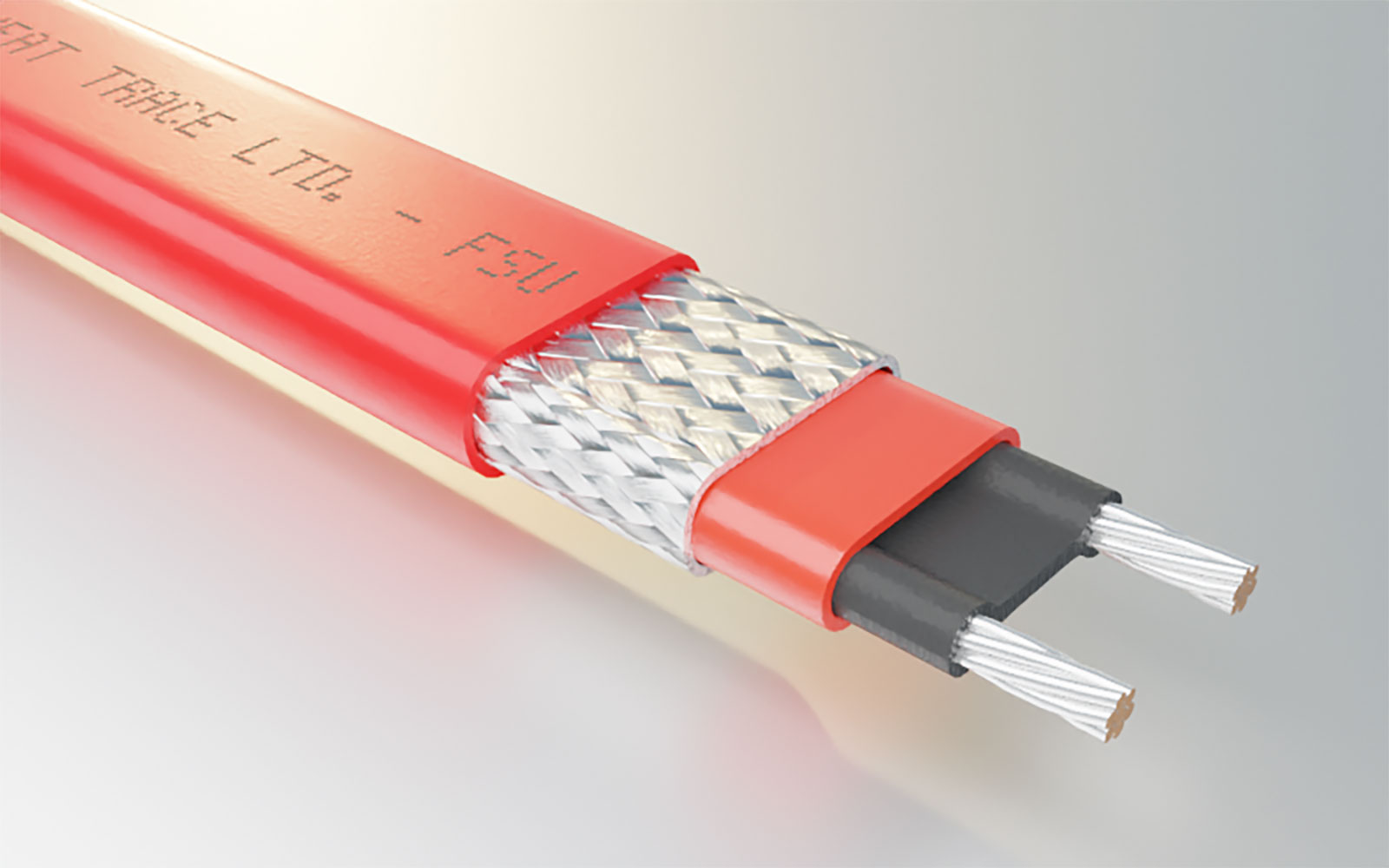
Self-regulating heating cables, like the FailSafe Ultimo FSU, use a special conductive core that changes resistance with temperature. As the pipe or equipment gets warmer, the cable reduces its heat output. When it gets colder, the cable increases its output. This smart technology means you don’t have to worry about overheating or burning out the cable—even if it overlaps or is exposed to high temperatures.
Example: FailSafe Ultimo FSU Heating Cable
The FailSafe Ultimo FSU is an extremely high-temperature self-regulating heating cable. It can withstand exposure up to 250°C (482°F), whether energized or switched off. This makes it ideal for demanding industrial applications where safety and reliability are critical.
Key Features:
- Automatically adjusts heat output in response to pipe temperature
- Can be cut to length for easy installation
- Inherently temperature-safe (won’t overheat)
- Suitable for safe, hazardous, and corrosive areas
- High power outputs up to 100W/m at 10°C, works well for bitumen @ 180°C
- Approved for ATEX, IECEx, and UKEX standards
Why Choose Self-Regulating Heating Cable?
Safety First
Traditional heating cables can overheat if not properly controlled, especially if they overlap or are installed incorrectly. Self-regulating cables like the FSU are inherently temperature-safe, meaning they won’t exceed their rated temperature even in challenging conditions. This reduces the risk of fire or damage to your pipes and equipment.
Energy Efficiency
Because self-regulating cables adjust their output based on the environment, they use less energy when less heat is needed. This can lead to significant cost savings over time, especially in large installations.
Easy Installation and Maintenance
Self-regulating heating cables can be cut to length on-site, making them flexible for different pipe runs and layouts. Accessories like termination kits, end seals, and junction boxes are available to simplify installation and ensure long-term reliability.
Where Are Heating Cables Used?
Heating cables are used in a wide range of applications, including:
- Process Temperature Maintenance: Keeps industrial fluids at the right temperature for processing, like bitumen and sulphur.
- Tank and Vessel Heating: Maintains the temperature of storage tanks in industrial plants.
Choosing the Right Heating Cable for Your Needs
When selecting a heating cable, consider the following factors:
1. Maximum Exposure Temperature
The FailSafe Ultimo FSU can handle up to 250°C, making it suitable for high-temperature applications. Always check the maximum exposure and operating temperatures required for your project.
2. Power Output
Different cables offer different power outputs (100W/m at 10°C for the FSU series). Choose a cable that matches your heat loss calculations and application needs.
3. Voltage Compatibility
The FSU series supports 240 volt, making it suitable for Australian installations.
4. Environmental Conditions
Consider whether the cable will be exposed to hazardous, corrosive, or wet environments. The FSU series offers optional corrosion resistant jackets and is rated IP67 for ingress protection.
5. Approvals and Certifications
For industrial and hazardous area installations, look for cables with ATEX, IECEx, and UKEX approvals. The FSU series meets these standards, ensuring compliance and safety.
Installation Tips for Heating Cable
- Follow Manufacturer Instructions: Always consult the installation manual for specific guidelines.
- Use Approved Accessories: Only use termination kits, end seals, and junction boxes that are approved for your cable type.
- Check Bending Radius: The FSU series, for example, requires a minimum bending radius of 30–35mm depending on the model.
- Test Before Insulation: Energize and test the cable before covering it with insulation to ensure proper operation.
Frequently Asked Questions About Heating Cable
How long can a heating cable run be?
The maximum length depends on the cable type, power output, and circuit breaker size. Always refer to the manufacturer’s tables for specific limits.
Can I cut self-regulating heating cable to length?
Yes! One of the biggest advantages of self-regulating cables like the FSU is that they can be cut to the exact length you need during installation.
Are heating cables safe for use in hazardous areas?
The FSU series is approved for use in hazardous and corrosive environments, making it a safe choice for industrial applications.
Conclusion: Why Heating Cable Is Essential for Modern Infrastructure
With advanced self-regulating technology, products like the FailSafe Ultimo FSU deliver exceptional safety, efficiency, and flexibility. Whether protecting a factory or a critical pipeline, choosing the right heating cable provides peace of mind and reliable long-term performance.
For more information, always consult the manufacturer’s documentation and work with certified installers to get the best results from your heating cable system.