
Reliable Process Heating for Emulsion, Bitumen, Asphalt, Sulphur, Caustic, Oil, Gas and Molasses
In Australian industry, heat trace cable is not about dealing with snow or frozen pipes. Instead, it plays a far more critical role: keeping temperature sensitive products flowing, stable and safe across some of the country’s most demanding operations.
From road construction materials like bitumen and asphalt, to sulphur in mining, caustic in chemical processing, oil and gas systems, and bulk materials like molasses, many products used in Australia only behave as intended when temperature is controlled. Heat trace cable provides that control—continuously, efficiently, and reliably.
This article explains what heat trace cable is, how it’s used in the Australian market, and why it is an essential part of modern process heating systems.
What Is Heat Trace Cable?
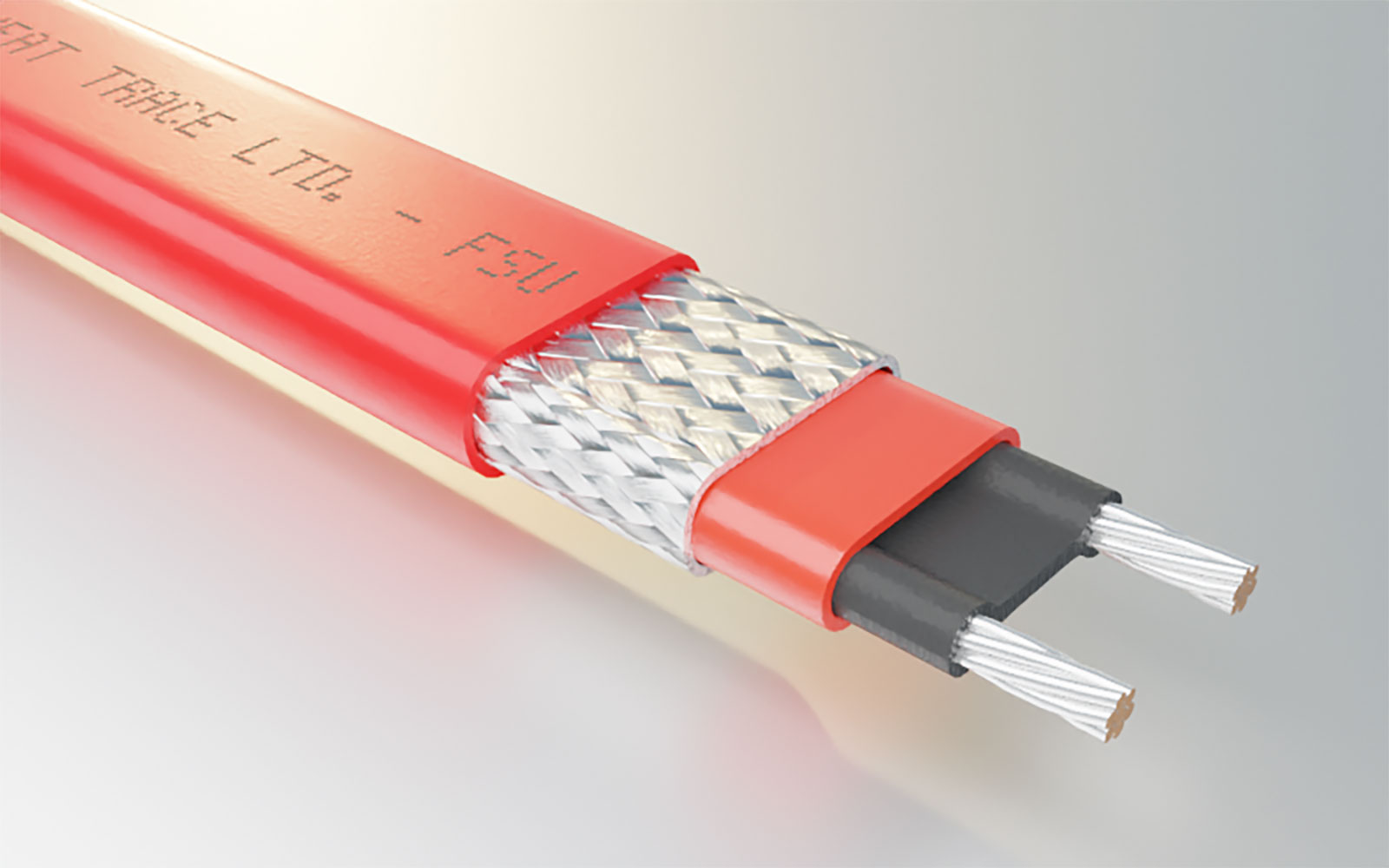
Heat trace cable is an electrically powered heating element installed along pipes, tanks, valves or other equipment to maintain a defined operating temperature. The cable produces heat through electrical resistance and offsets heat loss caused by ambient conditions, wind exposure, downtime, or long transfer distances.
Unlike insulation, which only slows heat loss, heat trace cable actively adds energy to ensure a product remains within its required temperature range.
Why Heat Trace Cable Is Essential in Australian Industry
Australia’s climate is often described as warm—but industrial conditions are another story. Many facilities operate with:
- Long, exposed pipe runs
- Coastal or elevated sites subject to wind cooling
- Remote locations with limited intervention opportunities
- Products that solidify, crystallise, or thicken quickly
Without controlled heating, these conditions can result in blocked lines, damaged equipment, safety risks, and costly downtime.
Heat trace cable is widely used across Australia for process temperature maintenance, ensuring materials remain pumpable, process ready, and compliant with specification.
How Heat Trace Cable Works in Process Heating
Heat trace cable is fixed directly to the surface being heated—typically a pipe or vessel—and covered with thermal insulation to retain heat. A complete system usually includes:
• Heat trace cable selected for the required temperature range
• Power connection and termination kits
• Temperature control (thermostats, sensors or PLC/DCS integration)
• Insulation and external cladding
• Electrical protection and monitoring
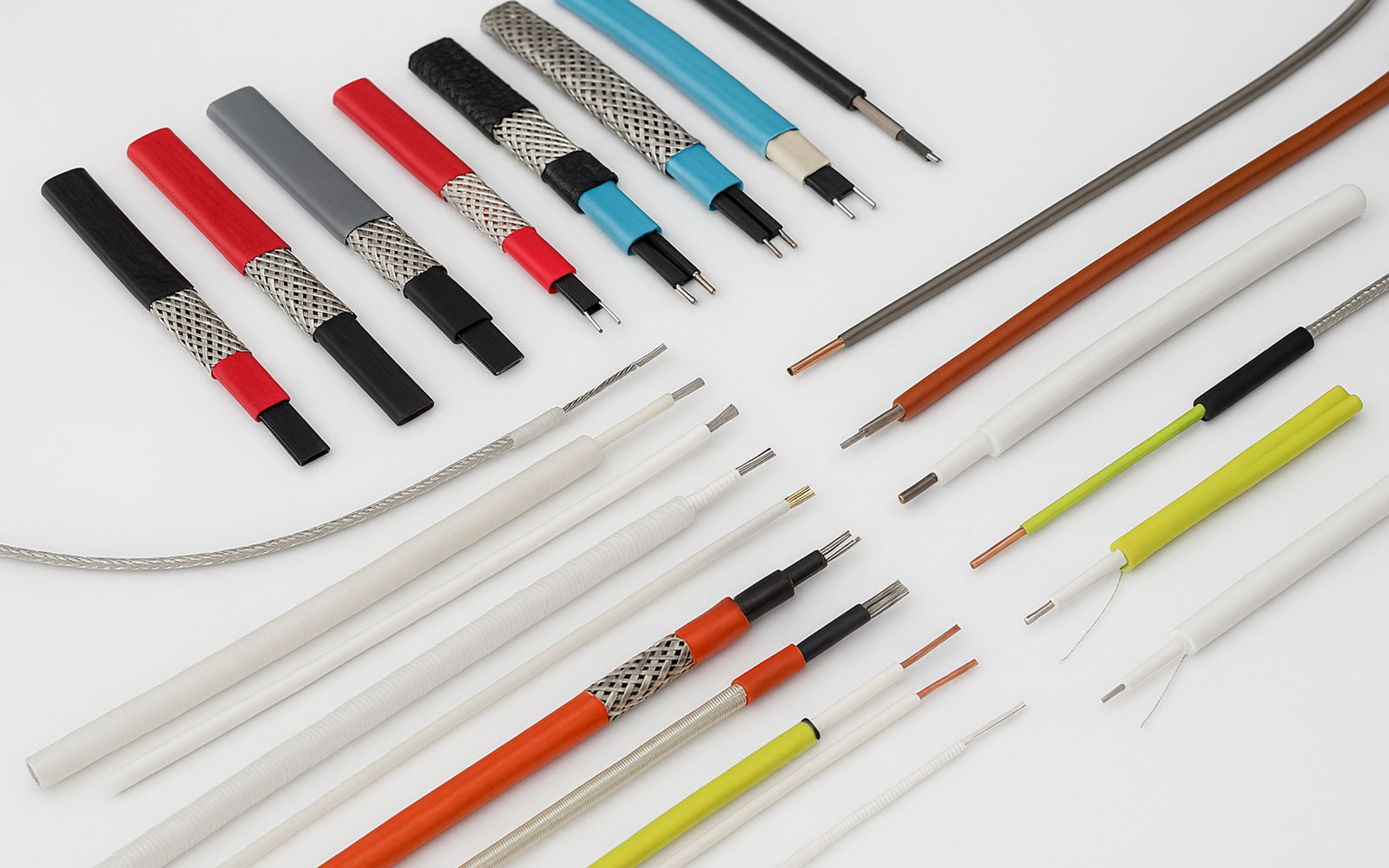
Types of Heat Trace Cable Used in Australia
Self Regulating Heat Trace Cable
Self regulating heat trace cable automatically adjusts its heat output in response to the temperature of the pipe or surrounding environment.
Common Australian uses include:
- Moderate temperature process lines
- Instrument and sampling lines within plants
Its energy efficiency and safety make it popular, though it is not suitable for very high temperature duties such as sulphur or hot asphalt.
Constant Wattage Heat Trace Cable
Constant wattage heat trace cable delivers a fixed power output per metre along its length.
Well suited to:
- Emulsion, bitumen and asphalt pipelines
- Molasses transfer lines
- Oil and heavy hydrocarbon systems
This type of heat trace cable is often chosen where long pipelines require consistent and predictable heat input.
Mineral Insulated (MI) Heat Trace Cable
Mineral insulated heat trace cable features a metal sheath with mineral insulation packed around the conductor.
Key advantages include:
• Very high temperature capability
• Resistance to mechanical damage
• Suitability for corrosive or industrial environments
MI heat trace cable is common in sulphur service, refineries, and heavy mining applications.
Application Spotlight: Bitumen and Asphalt
Bitumen and asphalt must typically be maintained above 140–160°C to remain workable. In Australia, heat trace cable is widely used in:
- Asphalt plants
- Road construction depots
- Bulk storage tanks
- Transfer pipelines and loading systems
Long above ground pipelines are particularly prone to heat loss, even in warm weather. Heat trace cable ensures material arrives at the point of use within specification, reducing rework and plant downtime.
Application Spotlight: Emulsion Systems
Bitumen emulsions are widely used in Australian road maintenance and spraying operations. Although they operate at lower temperatures than hot bitumen, emulsions are temperature sensitive.
Heat trace cable helps:
- Maintain uniform temperature in storage tanks
- Prevent separation during low throughput
- Support consistent spray performance
This improves product quality and reduces waste on site.
Application Spotlight: Sulphur Handling in Mining and Refining
Sulphur has a melting point of around 115°C and is commonly handled at higher temperatures to maintain flow. Once sulphur solidifies, removal is difficult, hazardous, and costly.
In Australian mining and refining operations, heat trace cable is applied to:
- Sulphur transfer pipelines
- Pump suction and discharge lines
- Melter outlets and process connections
Constant wattage or mineral insulated heat trace cable is typically used, combined with closed loop temperature control.
Application Spotlight: Caustic Soda (Sodium Hydroxide)
Caustic soda is widely used across Australian mining, water treatment, and chemical processing industries. At higher concentrations, caustic can crystallise if temperature drops, leading to blockages and equipment damage.
Heat trace cable is used to:
- Maintain flow temperature in pipelines
- Protect valves and pumps
- Improve operational safety
Material compatibility and insulation integrity are particularly important in caustic environments.
Application Spotlight: Oil and Gas Systems
In Australian oil and gas facilities, heat trace cable is commonly used for process stability rather than freeze protection.
Typical applications include:
- Crude oil and condensate pipelines
- Process lines in gas treatment facilities
- Valve assemblies and metering systems
Heat tracing helps prevent wax precipitation, viscosity issues, and thermal shock during shutdowns or low flow operation.
Application Spotlight: Molasses Handling
Molasses is used extensively in animal feed production, agriculture, and mining applications. As temperature drops, molasses becomes extremely viscous, increasing pump loads and transfer times.
Heat trace cable helps:
- Maintain pumpable viscosity
- Reduce mechanical stress on equipment
- Ensure consistent flow during transfer and dosing
This results in lower maintenance and more predictable operation.
Key Design Considerations for Australian Sites
Choosing the right heat trace cable involves more than selecting a wattage rating.
Key considerations include:
- Required maintain temperature
- Product characteristics and viscosity
- Pipe size, routing, and exposure
- Insulation type and thickness
- Power availability and control strategy
For industrial and hazardous environments, systems are commonly designed in line with AS/NZS 60079.30.1 and AS/NZS 60079.30.2, which align with IEC standards for electric heat tracing.
Installation and Maintenance: Practical Lessons from Site
Across Australian facilities, most heat tracing issues arise from installation or insulation problems, not cable failure.
Best practice includes:
- Ensuring continuous cable to pipe contact
- Protecting cables during insulation installation
- Using approved terminations and fixings
- Verifying performance before commissioning
Routine inspection after shutdowns or maintenance work can significantly extend system life.
The Business Value of Heat Trace Cable
A well designed heat trace cable system delivers:
- Improved process reliability
- Reduced downtime and intervention
- Better product quality
- Long service life—often 20 years or more
For Australian industries handling temperature sensitive materials, heat trace cable is one of the most cost effective tools available to protect production and profitability.
Final Thoughts: Heat Trace Cable as a Process Essential
Across emulsion, bitumen, asphalt, sulphur, caustic, oil, gas and molasses applications, heat trace cable underpins reliable operations in Australia. It keeps materials flowing, processes stable, and risks under control.
When temperature matters, passive solutions aren’t enough. Heat trace cable provides precision—and precision drives performance.
Ready to Take the Next Step?
If you’re planning a new installation, upgrading ageing systems, or dealing with recurring flow or temperature issues, now is the time to review your heat tracing strategy.
Engage an experienced heat tracing specialist early and design for the realities of Australian conditions.
The right heat trace cable doesn’t just heat pipes—it protects your entire operation.